Colonoscopy at
Peak Health Surgicare

Screening and diagnostic colonoscopy in North Dallas. Know what to expect and how to prepare.

Colorectal health

An important look at your colon health.

A colonoscopy lets a doctor examine the lining of your rectum and colon using a thin, flexible tube with a camera. It can help find polyps, investigate symptoms, and detect colorectal cancer.

Many polyps can be removed during the same exam. Removing precancerous polyps may help prevent colorectal cancer.

Whether you are due for routine screening or your clinician has recommended an exam for symptoms, our team can help with questions about arranging care at Peak Health Surgicare.

Screening & diagnosis

Two reasons your doctor may recommend colonoscopy.

Routine colorectal cancer screening

Average-risk adults should generally begin colorectal cancer screening at age 45 and continue through age 75. Colonoscopy is one screening option.

Your clinician can help you choose a test and discuss whether screening after age 75 is appropriate for you.

Symptoms, history, or follow-up

A colonoscopy may be recommended for rectal bleeding, ongoing changes in bowel habits, persistent abdominal pain, or follow-up after an abnormal screening test.

A family or personal history of colorectal cancer or polyps may change when you start and how often you need testing.

Do not wait until screening age to discuss symptoms. Your clinician can determine the evaluation you need.

Preparing for your exam

Good preparation helps your doctor see clearly.

Bowel preparation empties the colon so its lining can be examined. Your care team will give you a specific plan based on your health, medicines, and appointment time.

01 / REVIEW

Read your instructions early

Make sure you have the prescribed prep and understand the schedule before the day you begin.

02 / ASK

Discuss your medicines

Tell the team about all medicines and supplements, including diabetes medicines and blood thinners. Ask what to take or change.

03 / PREPARE

Follow your diet and prep plan

Your plan may include diet changes, clear liquids, and bowel-cleansing medication. Follow the exact doses and eating and drinking cutoffs provided.

04 / PLAN

Arrange your ride home

Ask a responsible adult to accompany you as directed. Sedation can affect judgment and reflexes after the exam.

Having trouble completing your prep, or unsure which instructions to follow? Call your treating team before the exam. Incomplete preparation can mean the procedure needs to be repeated or rescheduled.

Procedure day

From arrival to going home.

01 / ARRIVE

Check in and prepare

The team reviews your history, preparation, and medicines, explains the exam, and answers your questions. Confirm your arrival time in advance.

02 / EXAM

Receive your colonoscopy

Sedation or anesthesia is commonly used. The doctor examines the colon and may remove polyps or take small tissue samples when needed.

03 / RECOVER

Leave with clear instructions

After observation, you can usually go home the same day with your arranged driver. Follow the instructions for diet, activity, medicines, and follow-up.

After the exam

Understand your results and follow-up.

Your doctor may discuss initial findings after the exam. If tissue or polyps are sent to a laboratory, those results take additional time.

Ask how and when you will receive your report, who to contact if it has not arrived, and when you should have your next exam.

You may have temporary bloating or gas after colonoscopy. Follow your discharge instructions and contact your treating team about concerns.

Gastroenterology at Peak

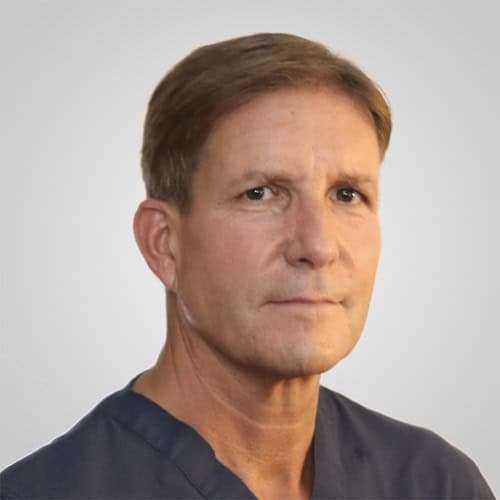
Get to know David Magee, M.D.

Explore Dr. Magee’s background in gastroenterology and advanced therapeutic endoscopy. Contact the team to discuss consultation and colonoscopy scheduling arrangements.

David Magee, M.D.

David Magee, M.D.

Board-certified gastroenterologist with fellowship training at UT Southwestern.

Insurance & costs

Check benefits before your appointment.

Screening colonoscopy may be covered as preventive care under your plan. Coverage and out-of-pocket costs depend on your benefits, network, and the reason for the exam.

Ask your insurer how screening, diagnostic, and follow-up exams are covered. Contact our team to verify accepted plans and ask about facility, physician, anesthesia, and laboratory charges.

Questions to ask your team

  • Do I need a referral or prior authorization?
  • Which bowel-prep instructions apply to me?
  • How long should I plan to be at the facility?
  • How will I receive biopsy or polyp results?
  • Who should I call after the procedure?

Common questions

Before your colonoscopy.

Why is bowel preparation so important?

A clean colon helps the doctor see polyps and other changes. Remaining stool can hide findings or prevent a complete exam. Contact your treating team if you cannot complete the prescribed preparation.

Will I be asleep during the procedure?

Sedation and anesthesia options vary. Your team will explain the plan, what you may be aware of, and how you will be monitored.

Can I drive myself home?

You should arrange a ride home after sedation or anesthesia. Follow your team’s instructions about driving, work, and other activities afterward, even if you feel alert.

How often will I need a colonoscopy?

The interval depends on your risk factors, the quality and findings of the exam, and any pathology results. Your clinician will recommend a follow-up schedule.

What happens if a polyp is found?

Many polyps can be removed during the exam and sent to a laboratory for analysis. Your doctor will explain the findings, whether additional treatment is needed, and when to repeat testing.

How do I find out the cost?

Contact Peak and your insurer before scheduling. Ask for an estimate and confirm which services are included, your network benefits, and any separate professional or laboratory bills.

Take the next step

Ready to arrange your colonoscopy?

Call Peak Health Surgicare or send a general inquiry to ask about screening or diagnostic colonoscopy scheduling.

Use the form for general questions. Please leave out medical records, symptoms, insurance numbers, and other sensitive health information. Ask our team how to share clinical details securely.

Patient education sources

NIDDK: ColonoscopyUSPSTF: Screening guidanceASGE: Bowel preparationASGE: ColonoscopySAGES: Colonoscopy

Send a general inquiry